Bare Foundation Beds Get a Clean Garden Makeover in Worthington
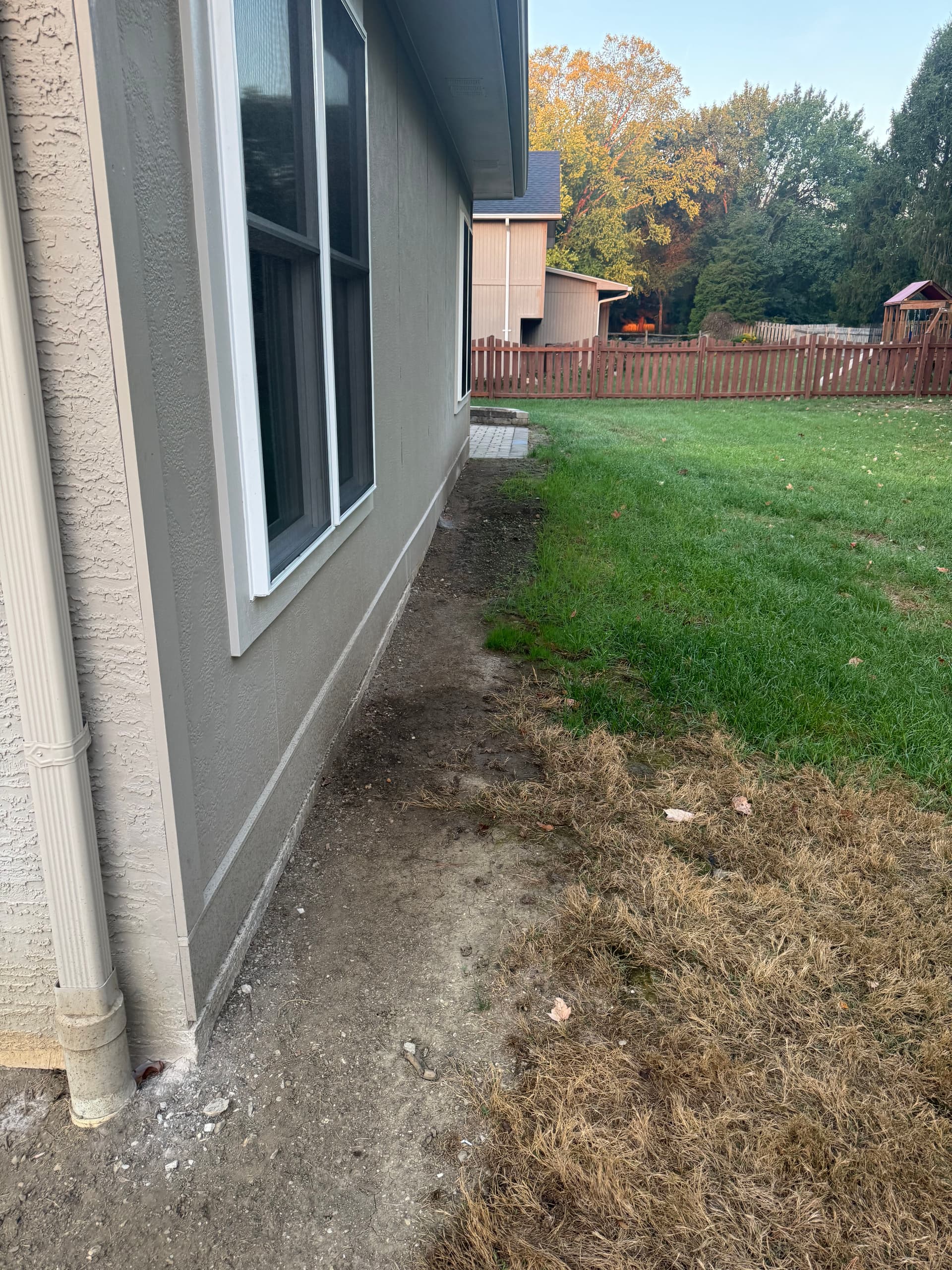
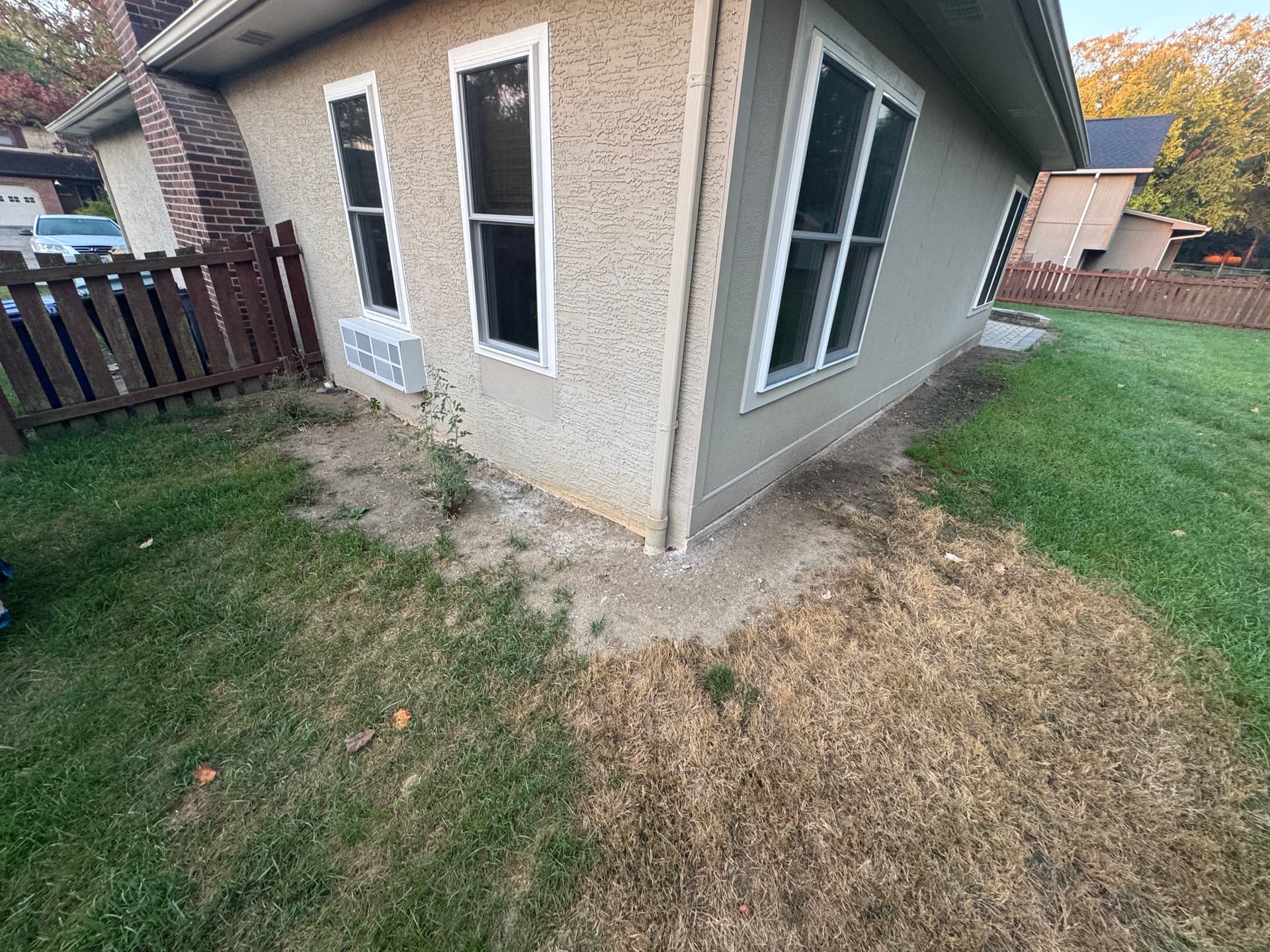
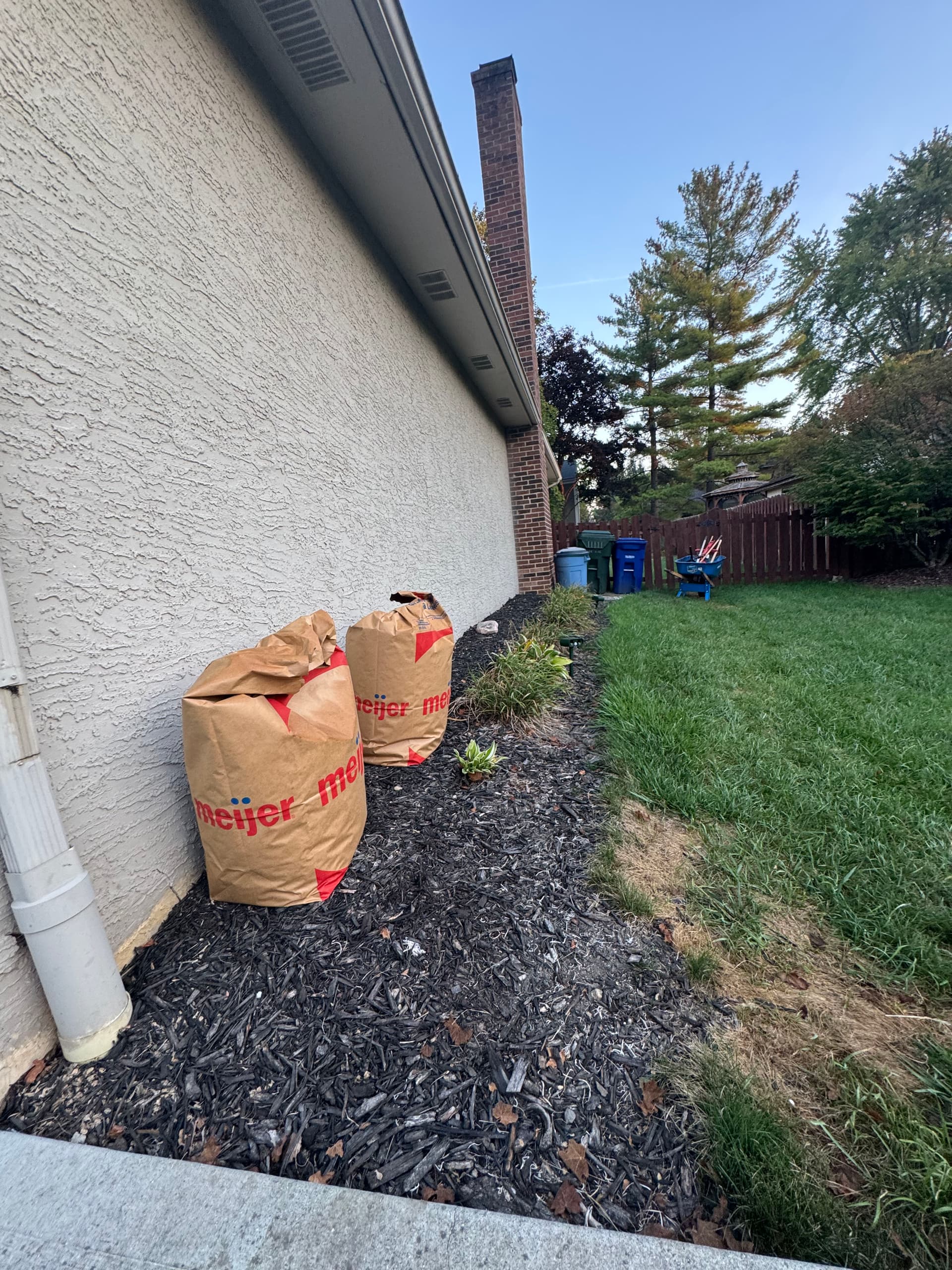
Some spots around a home just get ignored. No plants, no structure - just bare dirt and patchy grass hugging the foundation. That's exactly what we were working with here. The area had zero definition, and without anything to anchor it visually, the whole side of the house just looked unfinished.
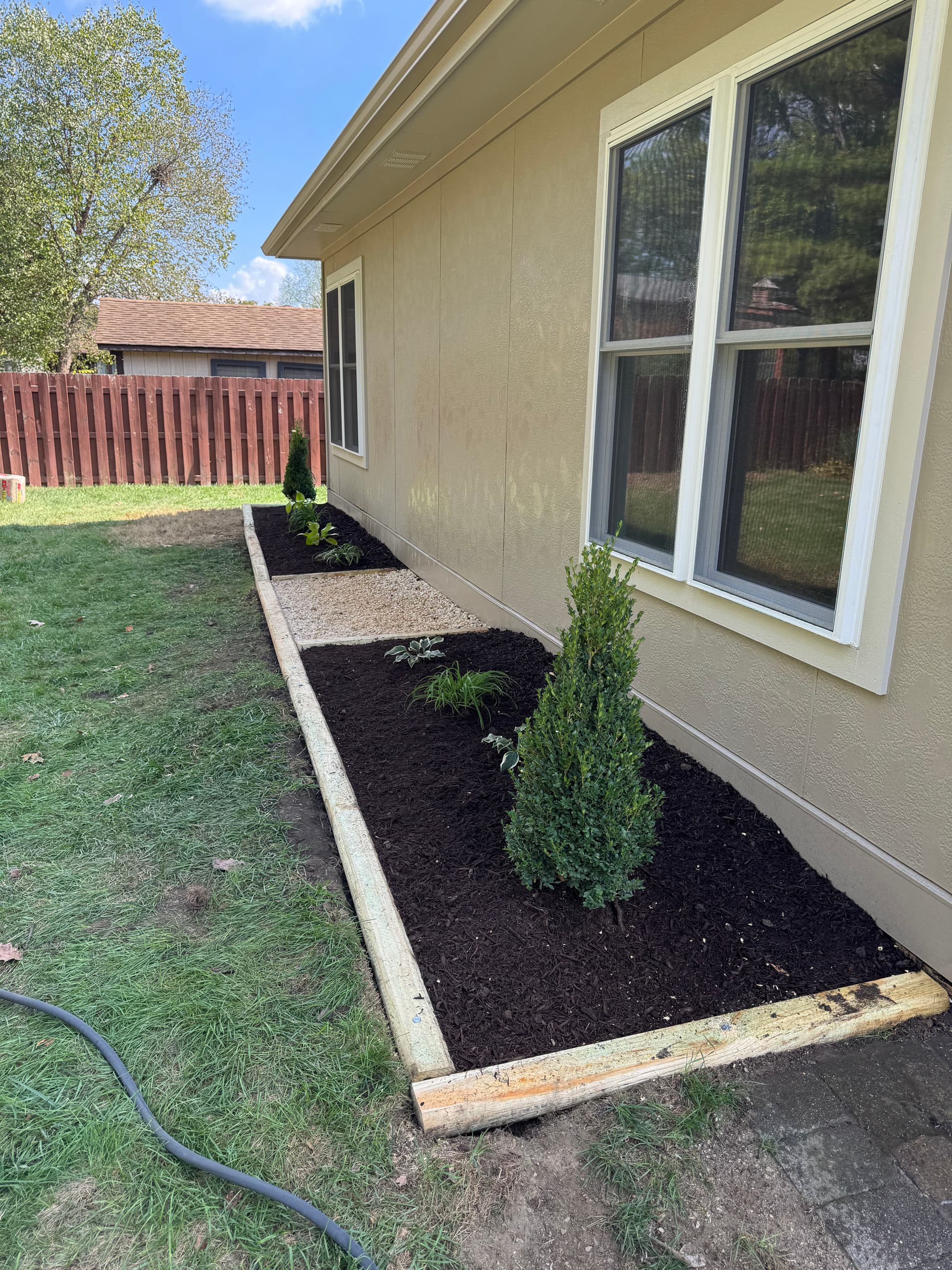
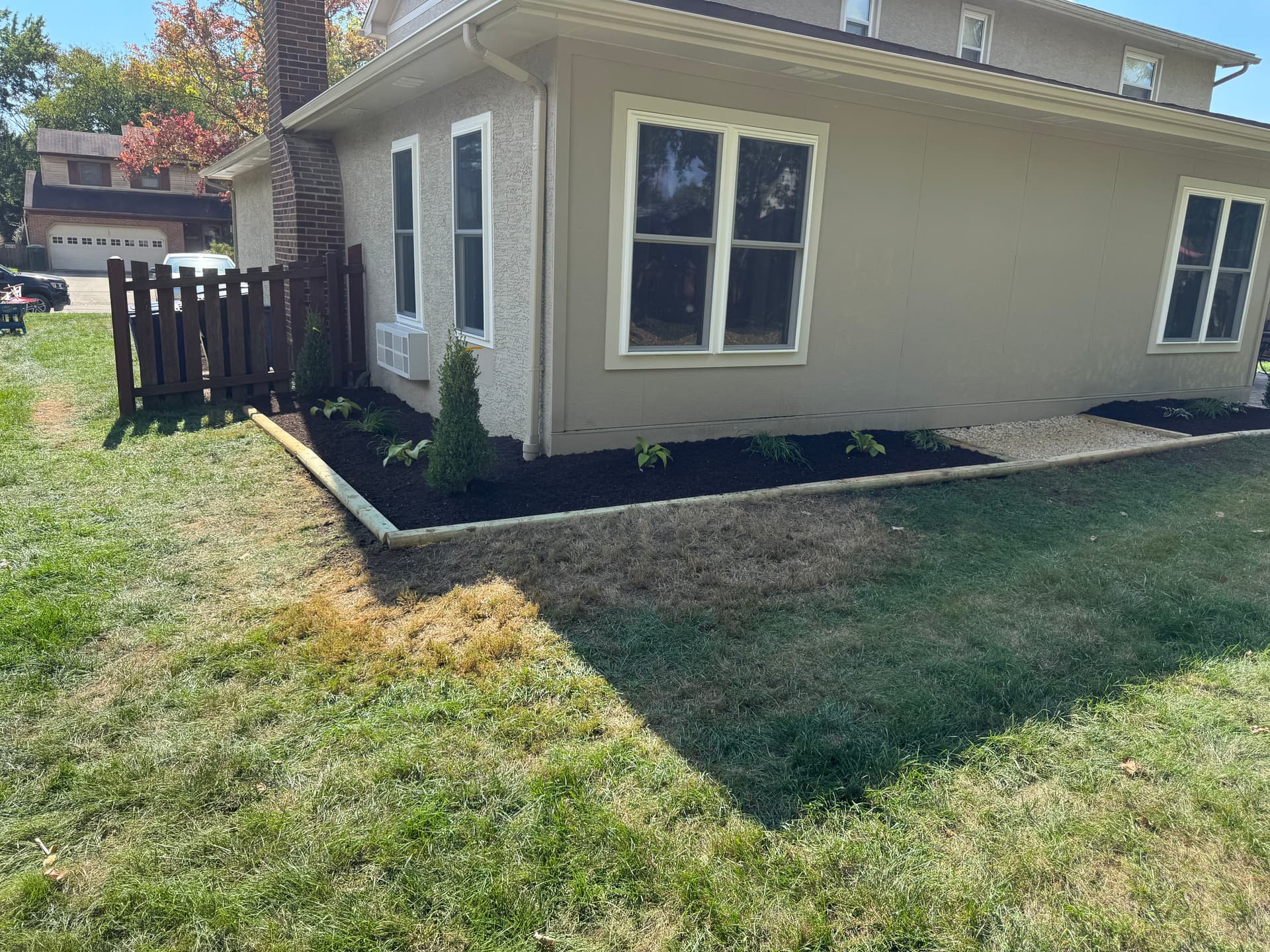
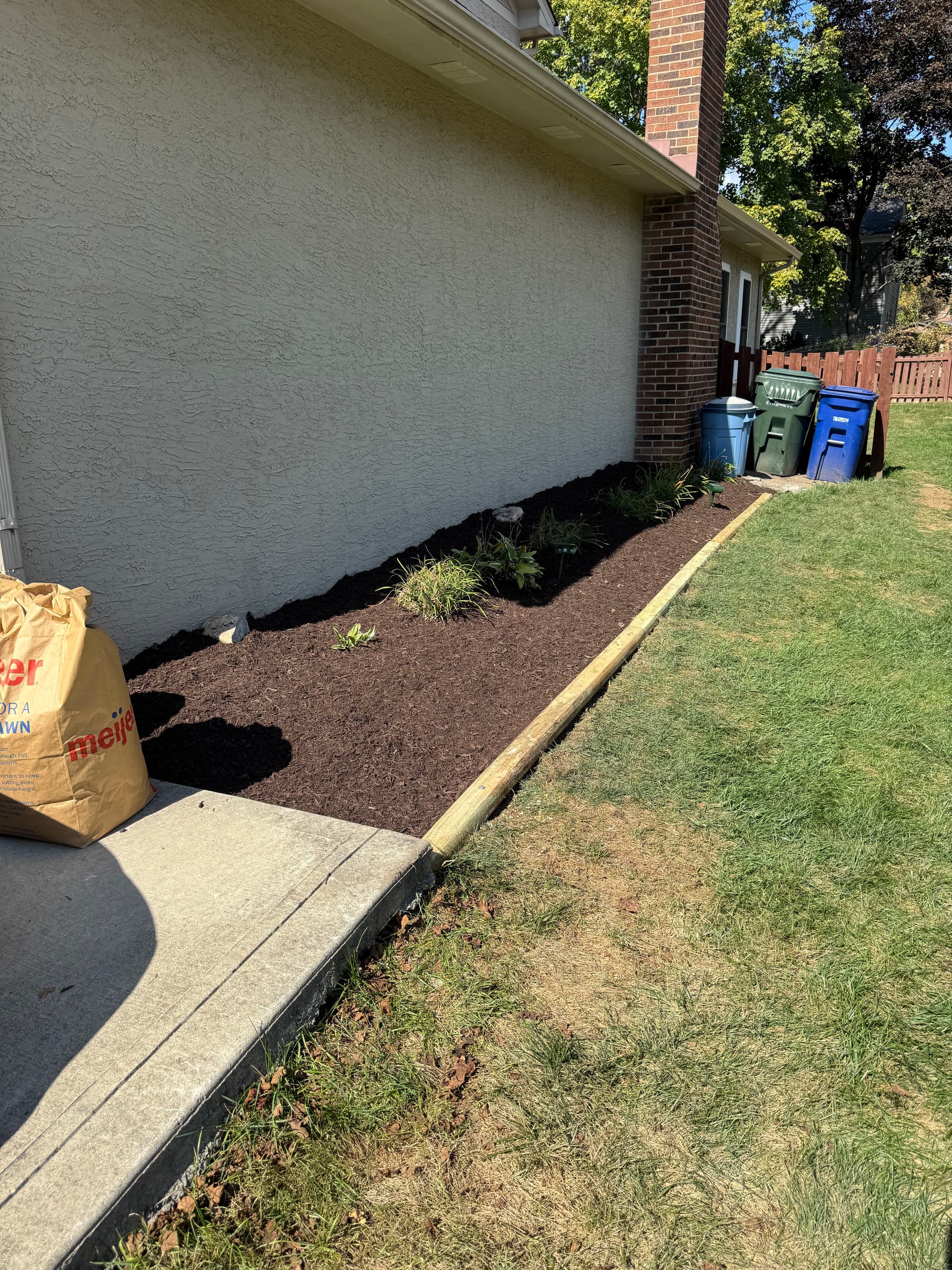
The fix wasn't complicated, but it had to be done right. We designed and installed a clean garden bed along the foundation, framed it out with a timber border to give it a sharp, defined edge, and filled it in with fresh black mulch. That border is doing a lot of work - it keeps the bed contained, stops mulch from spreading into the lawn, and gives the whole thing a finished look that holds up over time.
Plant selection matters a lot on a job like this. We went with a mix of upright evergreens and low-growing perennials - plants that will fill in nicely without requiring constant attention. The layout was intentional too, spacing things out so each plant has room to grow without crowding out its neighbors. That's the kind of thinking that separates a garden bed that looks good for years from one that turns into a mess by next season.
It's a straightforward scope of work, but the impact is hard to ignore. A clean border, rich dark mulch, and the right plants in the right spots is all it takes to pull a tired side yard together. No major construction, no huge budget - just good landscape design and solid installation work.
We do this kind of work all over Worthington, and the results speak for themselves. If you've got a foundation bed that's bare, overgrown, or just lacking any real structure, this is exactly the kind of upgrade that makes a noticeable difference without a lot of ongoing maintenance on your end.