Clintonville Backyard Garden Beds Rebuilt From Scratch
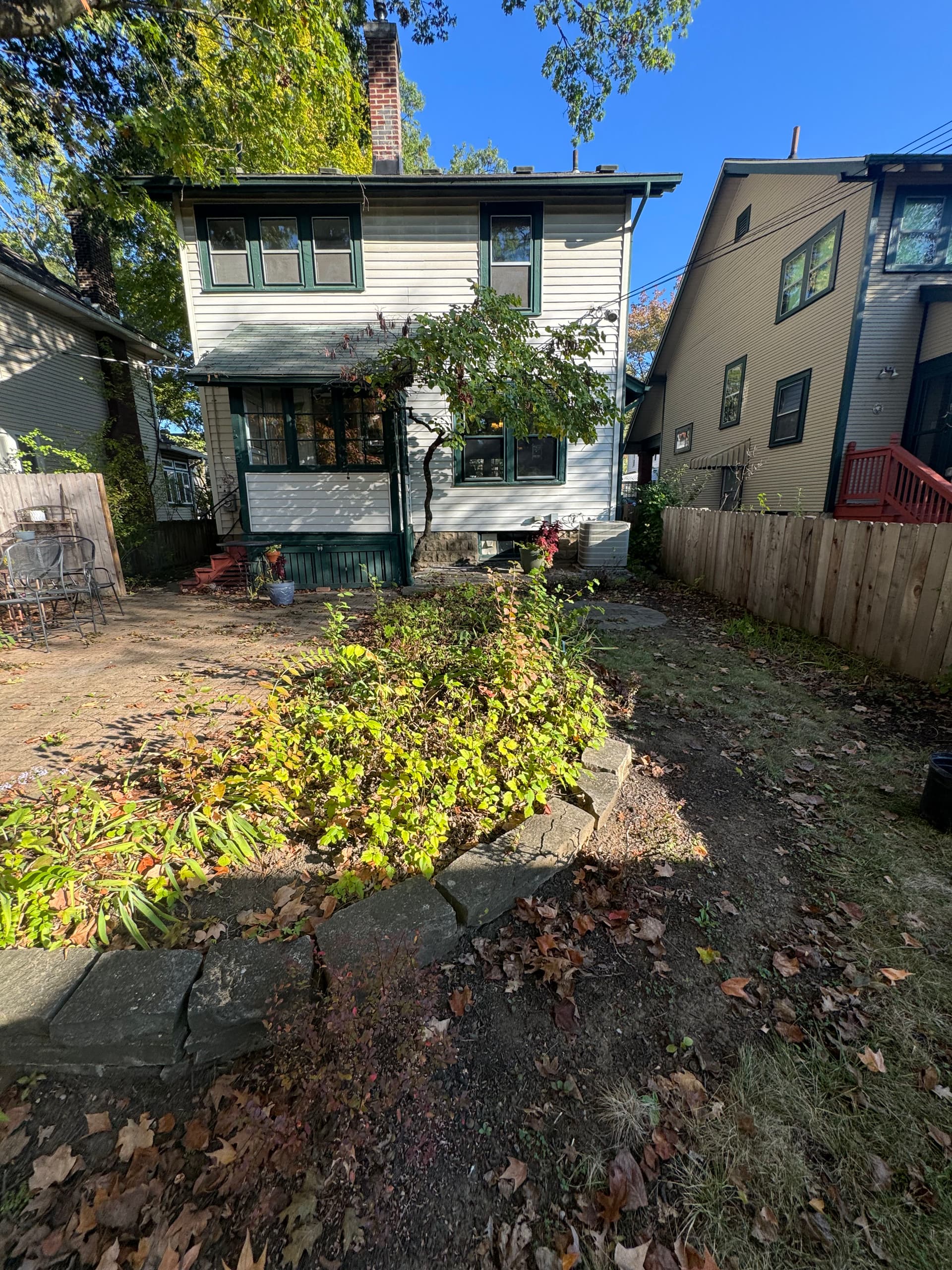
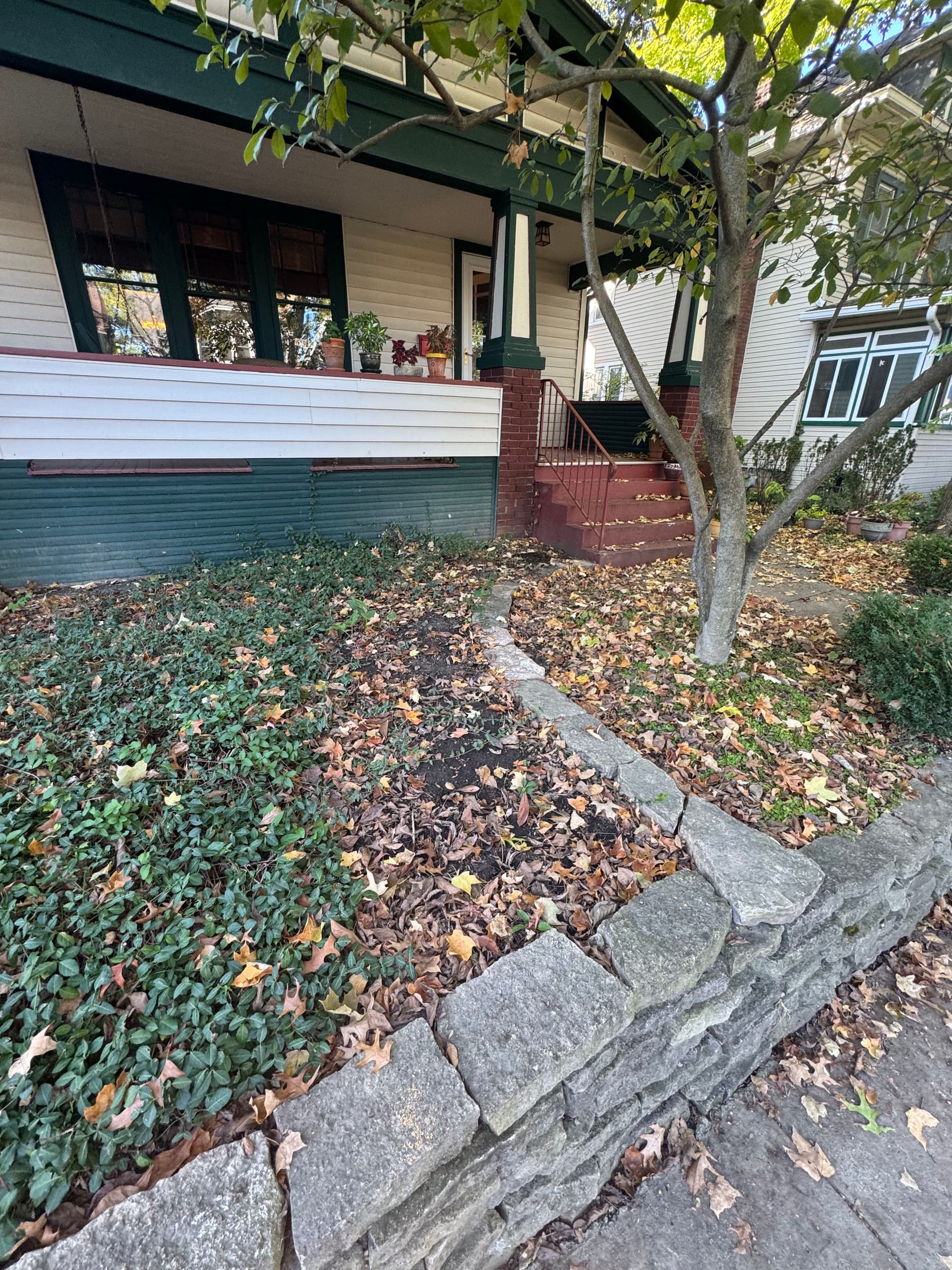
Here's what we were working with - overgrown, tired beds that had lost their shape and weren't doing the space any favors. The soil was worn out, the plants were a mess, and the whole backyard felt like something you just walked past rather than actually spent time in. That's a pretty common starting point for a lot of older Clintonville homes.
We started by clearing everything out and improving the soil before a single plant went in. That part matters more than most people realize. Skipping that step is usually why new plantings struggle in year two. Once the beds were properly prepped, we had a solid foundation to work with.
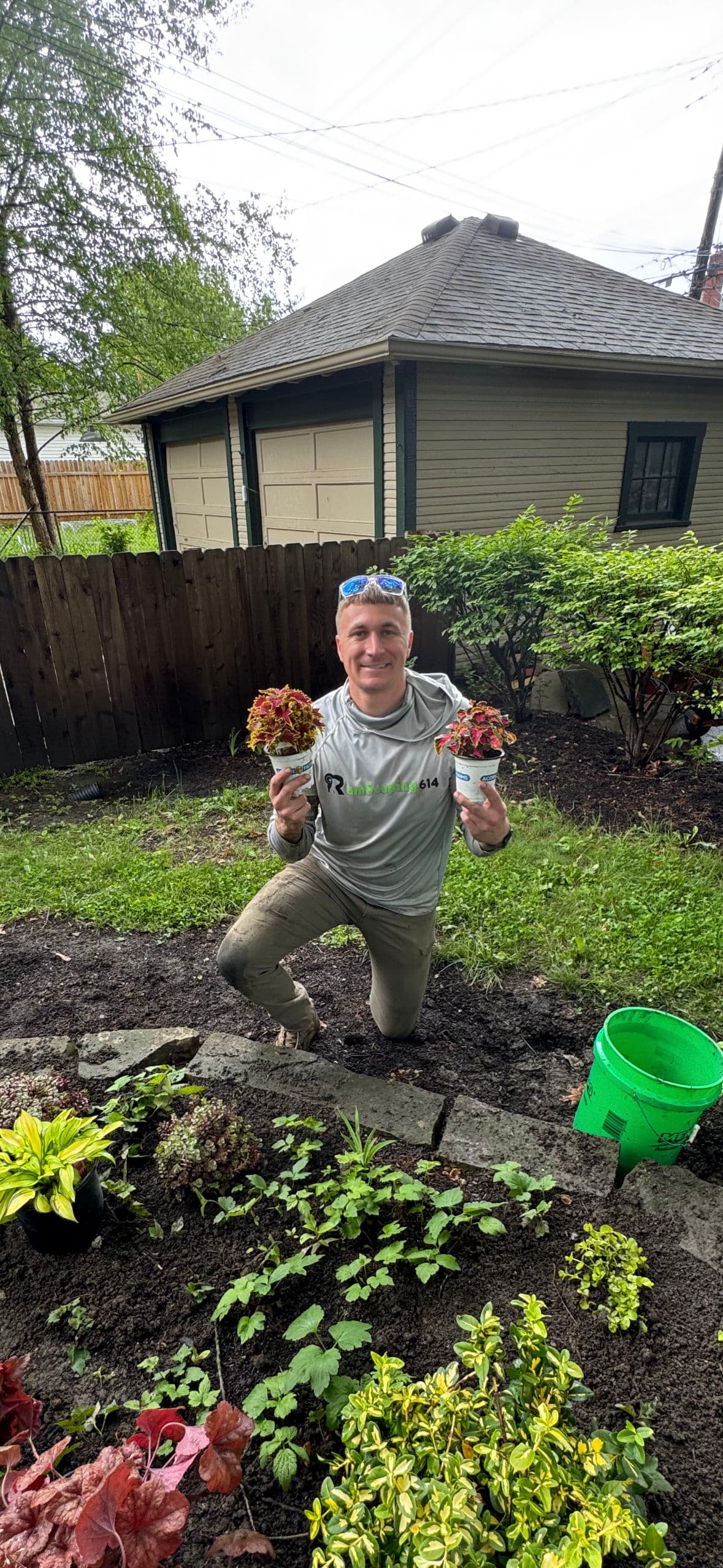
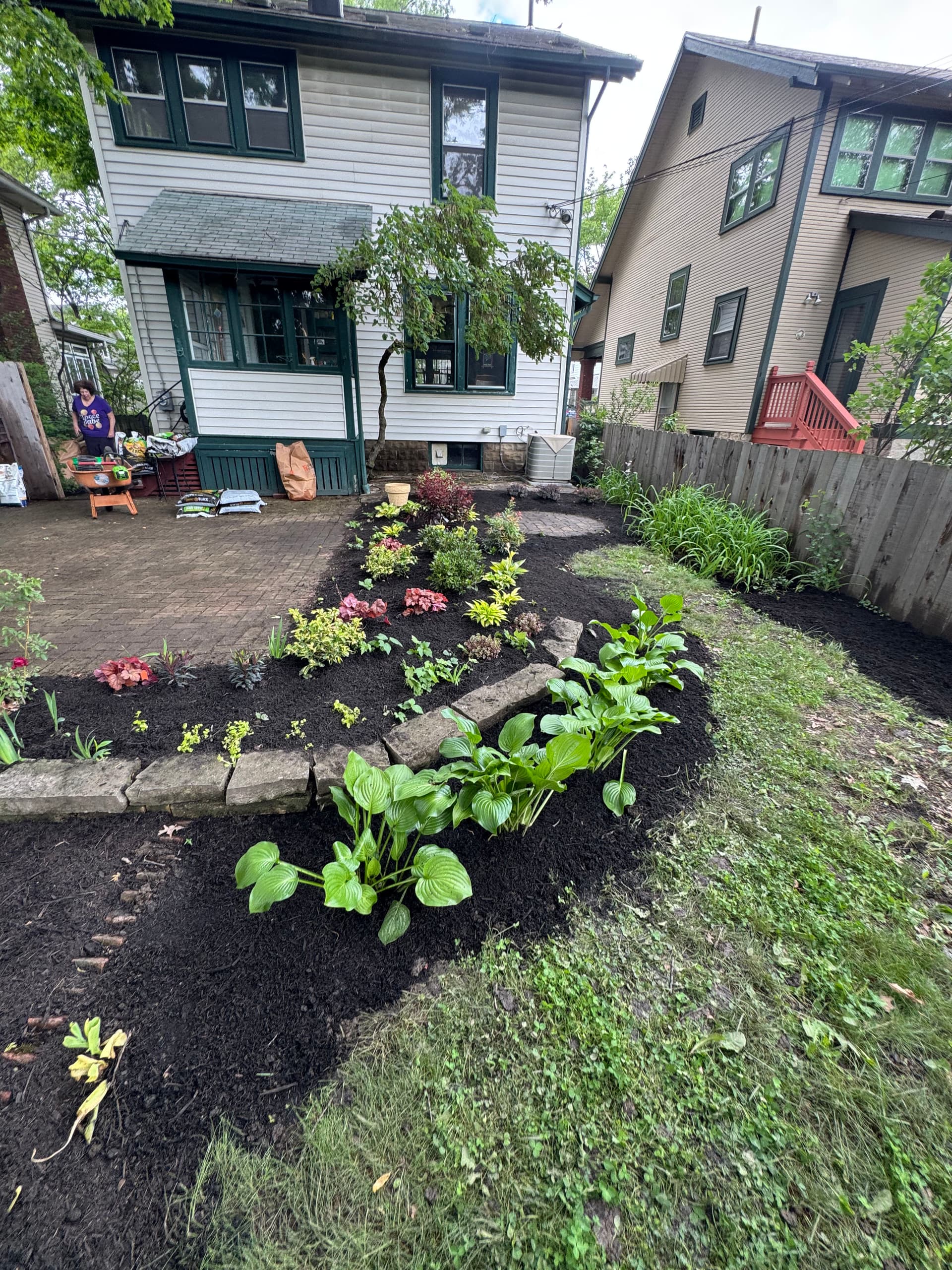
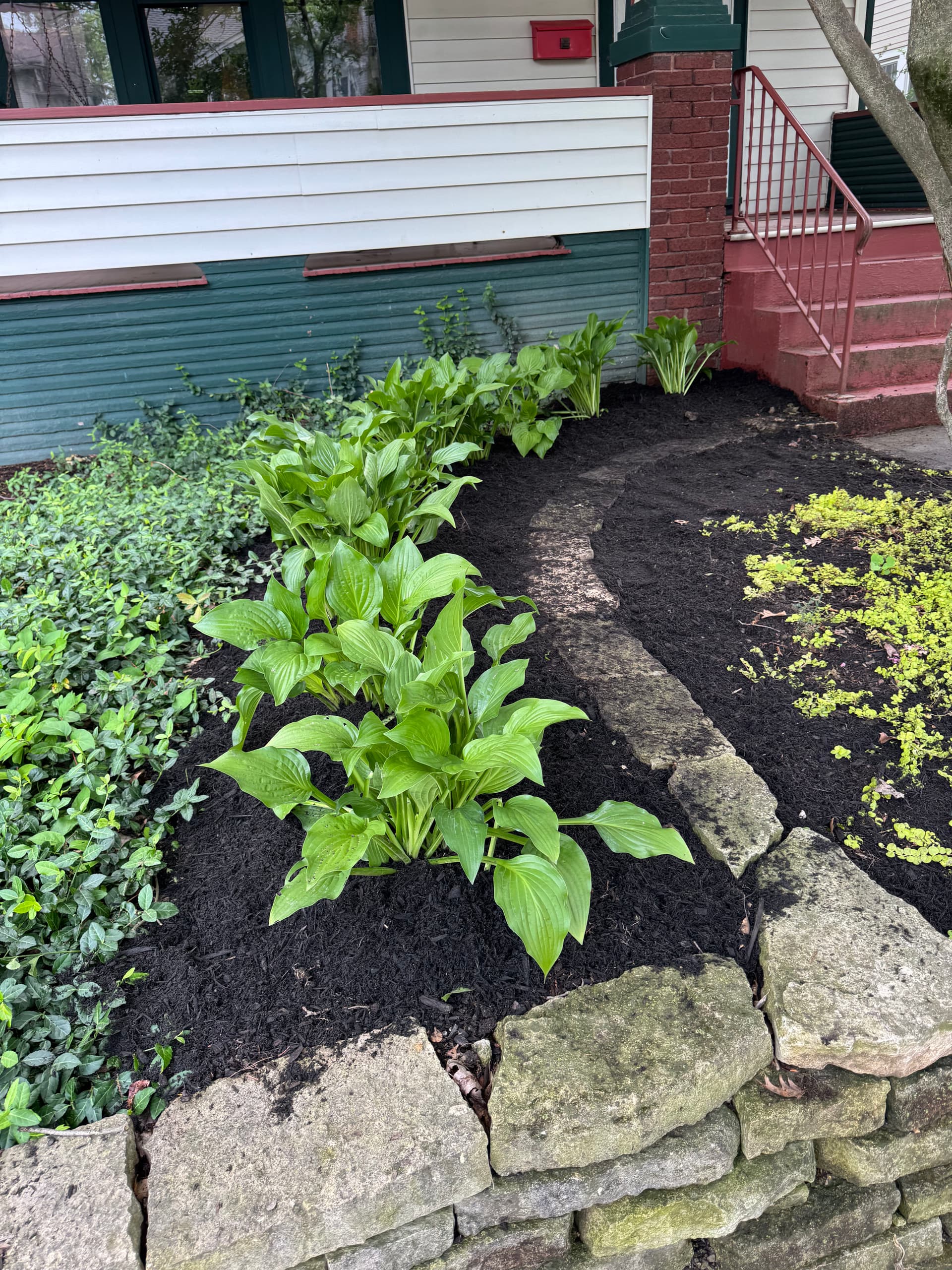
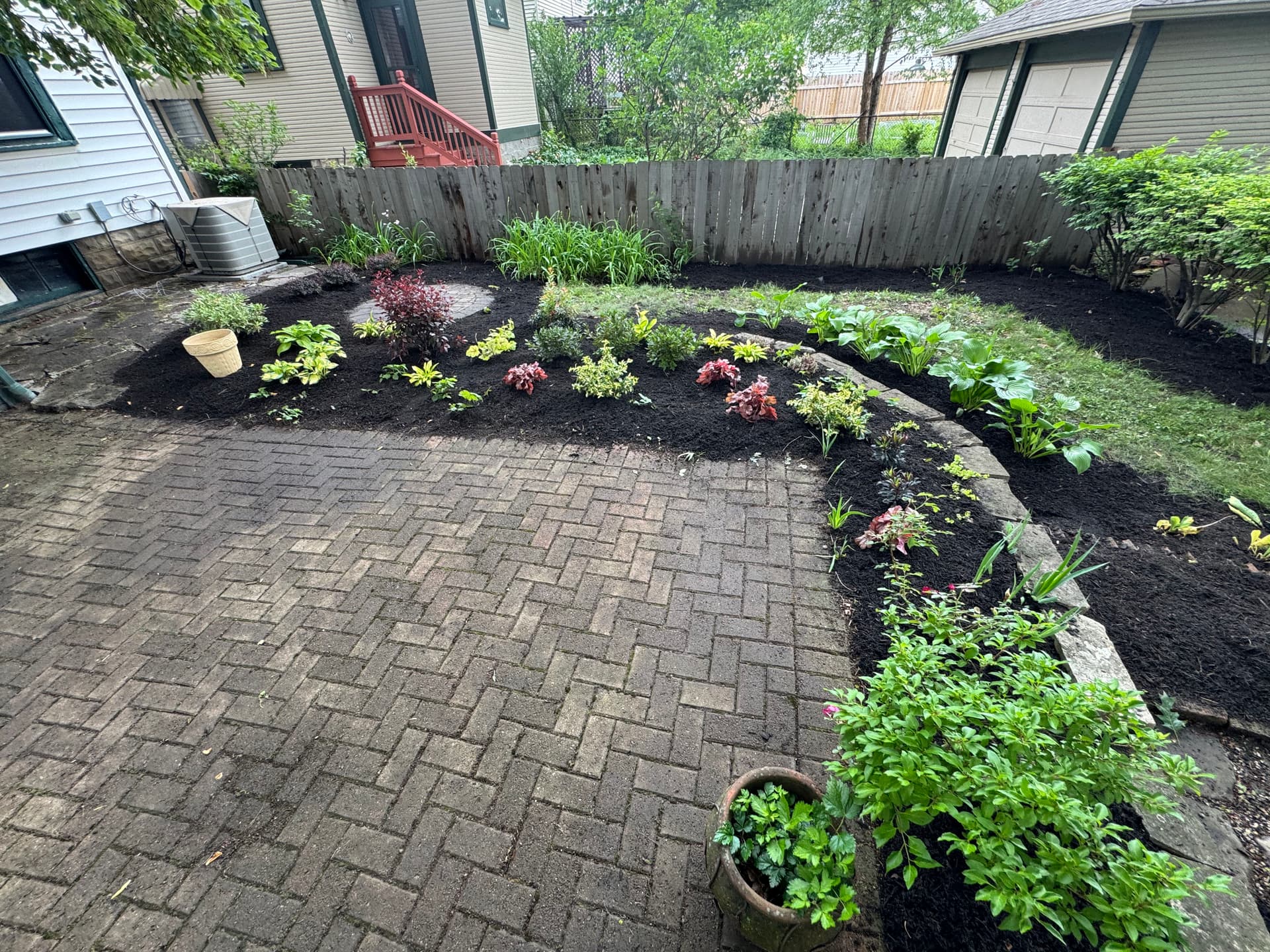
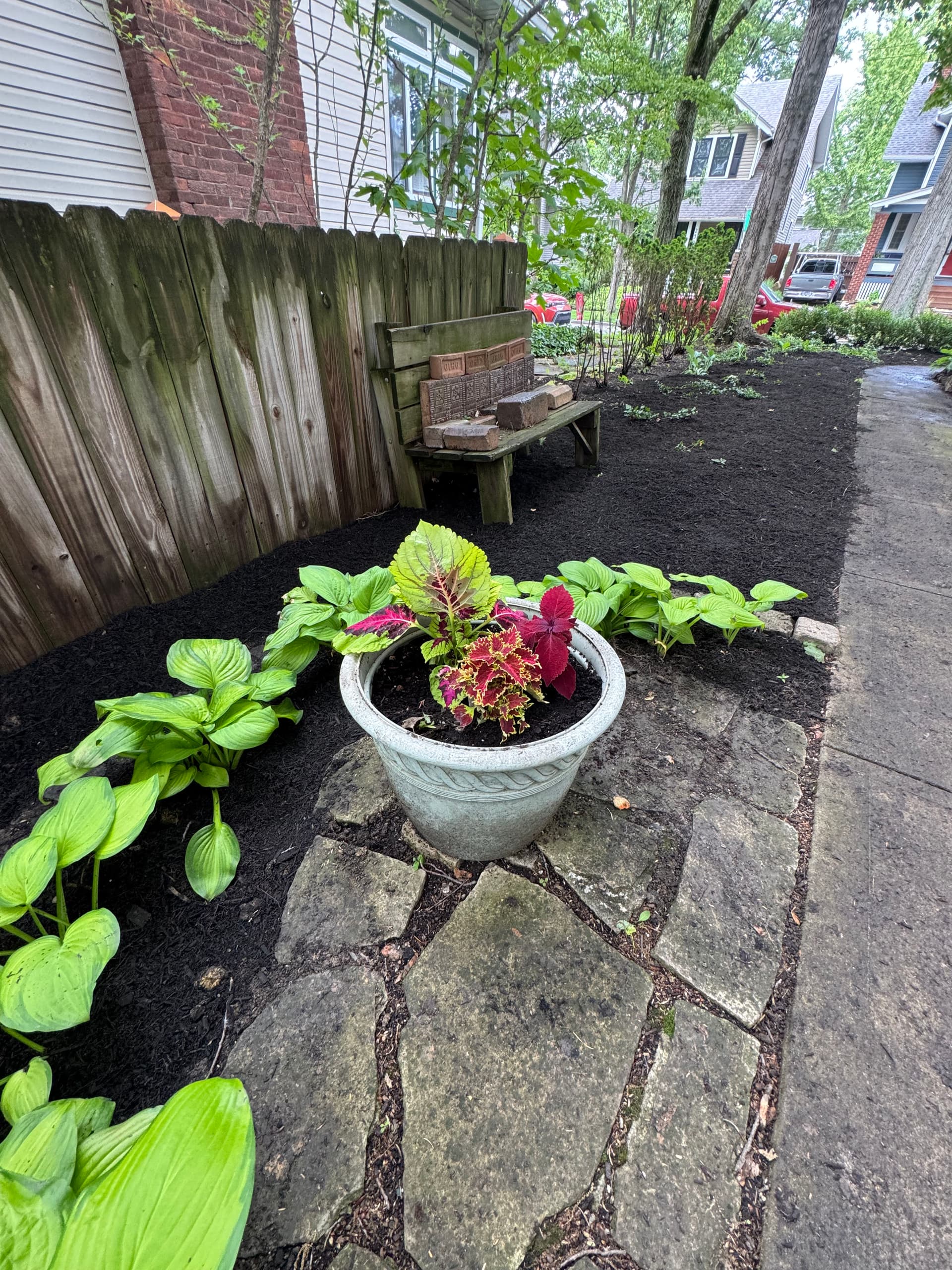
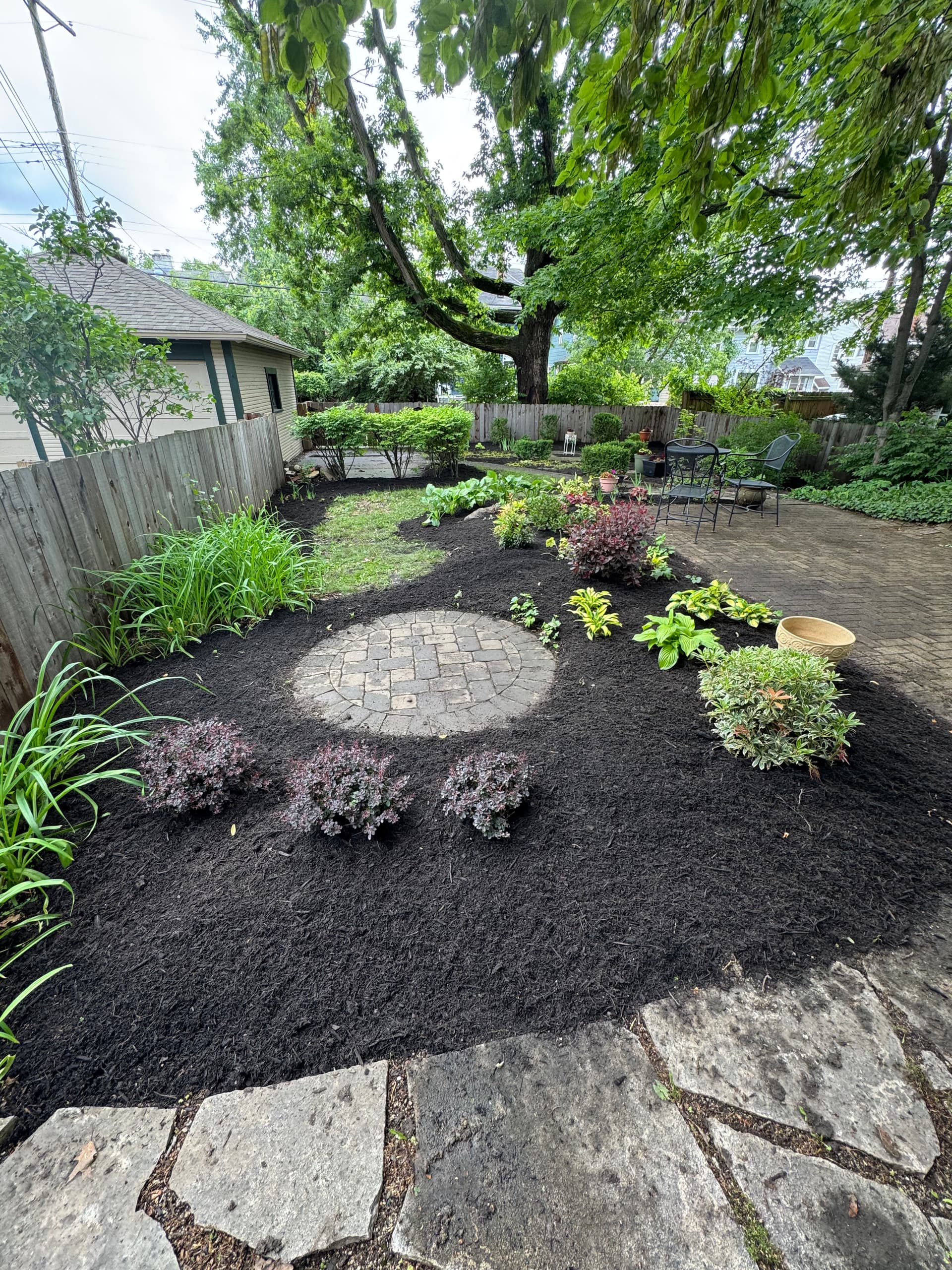
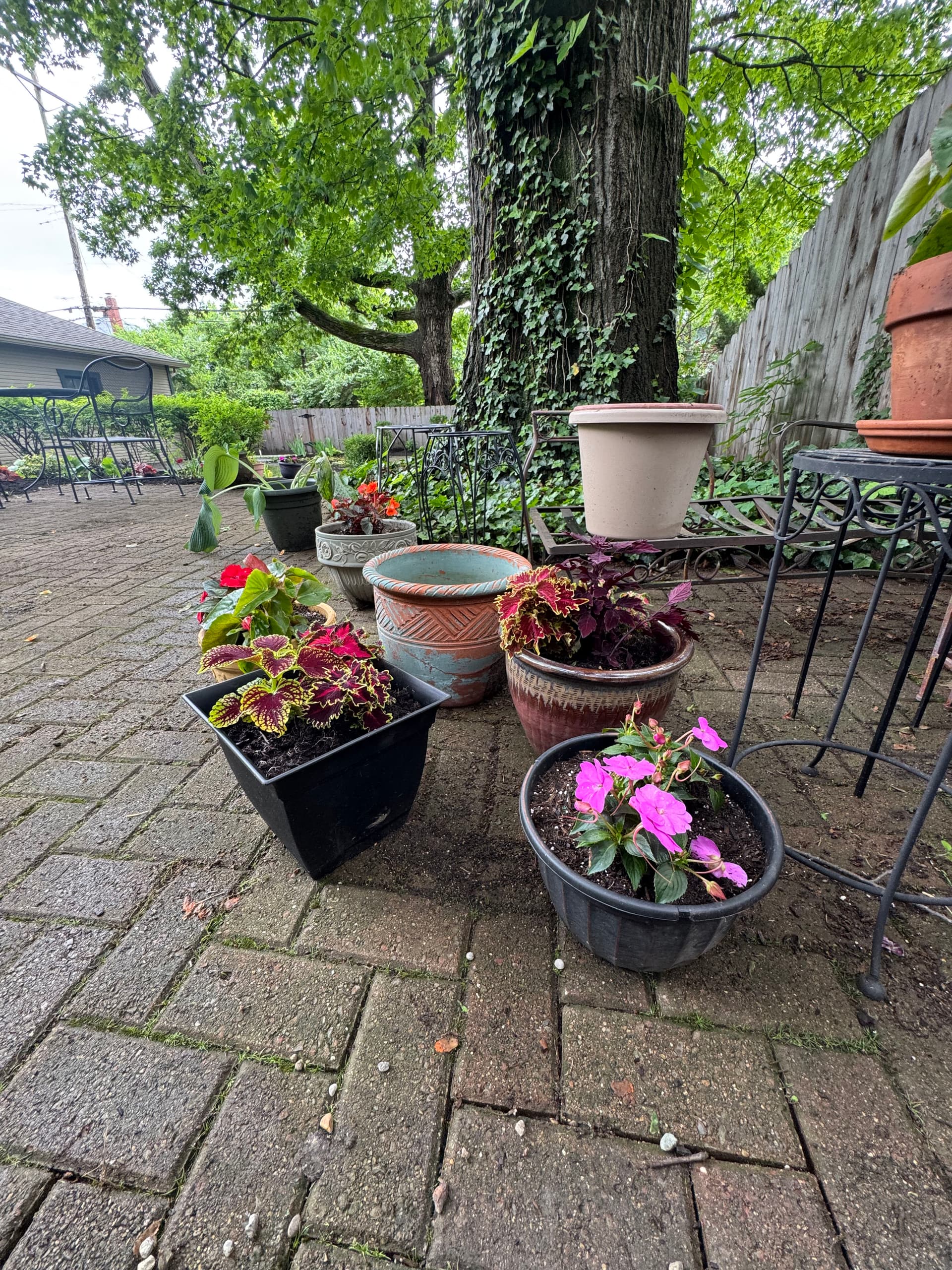
The plant selection was intentional. We mixed perennials and annuals together so there's color holding through the season and something reliable coming back every year. Hostas anchor the shadier spots, coleus brings the bold color pops, and smaller flowering plants fill in the gaps. The existing stone hardscaping - the natural stone edging and the paver patio - gave us great bones to design around, and working with those existing elements kept the whole space feeling cohesive rather than patched together.
Fresh black mulch went in across all the beds to finish everything off clean. It does double duty - it looks sharp right away and it keeps moisture in the soil while cutting down on weeds. The container plantings on the patio tie the whole thing together and bring the color right up close to where people are actually sitting.
The end result is a backyard that finally feels worth being in. The mix of hardscaping and thoughtful garden installation is what makes it work - one without the other usually falls flat. This is the kind of space that gets better as the season goes on and the plants fill in.